Resolve DRIPA, Don't Repeal It
British Columbia has spent generations avoiding one of the most important legal and moral questions about the land in the province: who holds title, who has authority, and how do we build a future on land whose legal status was never properly resolved?
This question feels very concrete. It sits beneath our homes, our roads and schools, our ports and mines, and every project and natural resource of British Columbia. It shapes whether communities can plan, whether businesses can invest, and whether First Nations can exercise rights that really should never have been ignored. It affects whether property owners have confidence in the legal ground beneath them.
For decades, settlers and immigrants were encouraged to come to British Columbia and build lives on land that was presented as available for Crown grant, private ownership, resource development, and settlement. They were told, directly and indirectly, that the legal foundation was settled. I was one of these settlers.
But the truth is that it was far from settled. And now we need to fix this once and for all.
Much of that land already had Indigenous owners, laws, governments, and systems of stewardship. In most of British Columbia, treaties were never signed. Title was never properly resolved. The Crown acted as though it could grant certainty it had not actually secured.
That is the uncomfortable truth beneath this debate. British Columbians were invited into a legal story that was never complete. Families bought homes, built businesses, opened farms, worked in mills, paid taxes, and invested their lives in good faith. First Nations, meanwhile, were expected to carry the cost of dispossession, delay, and denial.
Both realities now sit in the same province. Pretending otherwise will not make the problem disappear.
For too long, B.C. lawmakers kicked the question down the road. They left too much to the courts, too much to litigation, and too much to political improvisation. Instead of doing the hard work of lawmaking, negotiation, recognition, and settlement, governments let uncertainty accumulate.
Now that uncertainty is before us.
That is why the debate over the Declaration on the Rights of Indigenous Peoples Act matters. DRIPA gives British Columbia a framework to align provincial law with the United Nations Declaration on the Rights of Indigenous Peoples. It gives government a path to deal with title, consent, jurisdiction, land use, and shared decision-making through law rather than denial.
Repealing it would deepen the uncertainty we inherited.
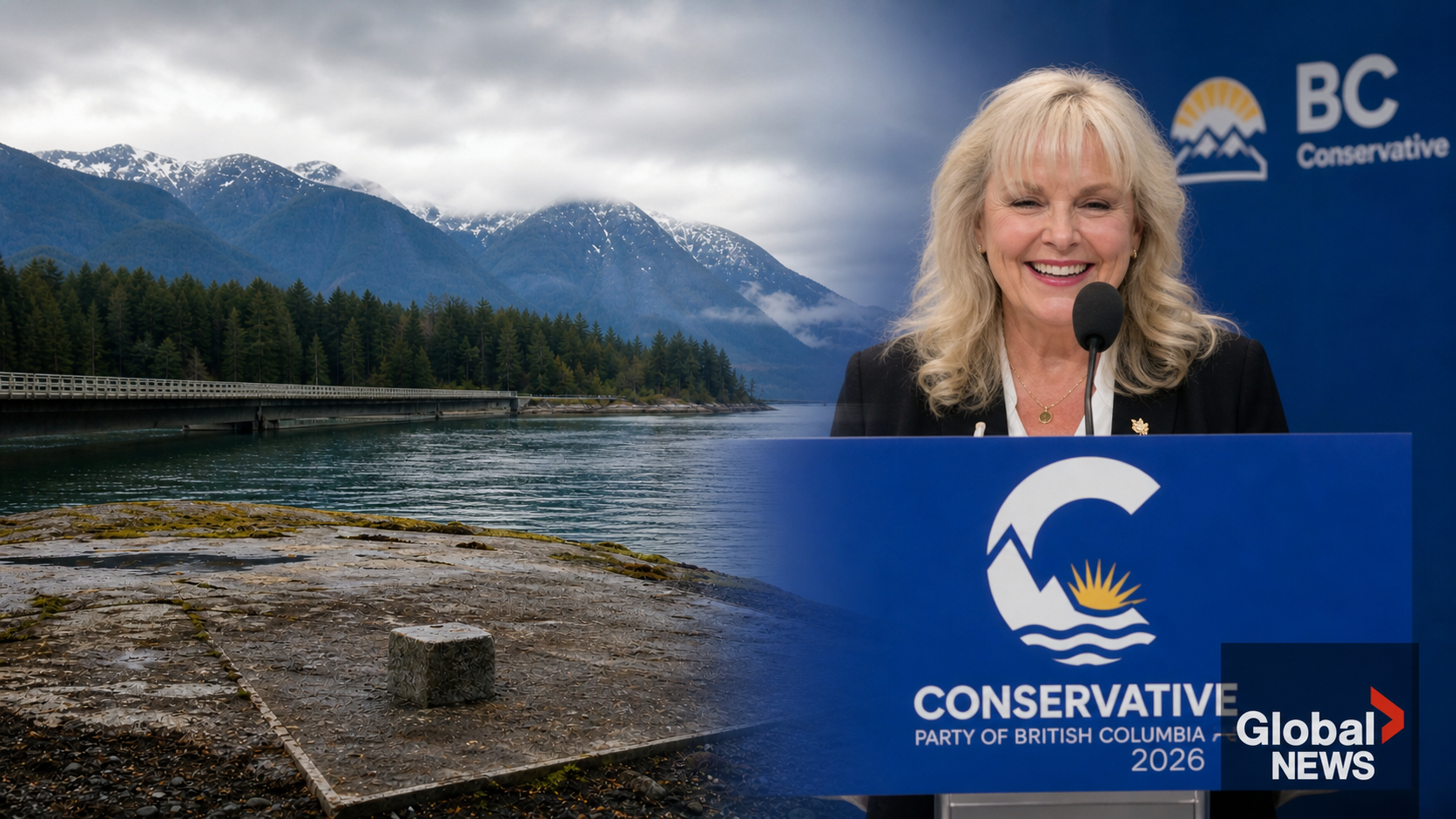
Populist hard-right former MP Kerry-Lynne Findlay was just elected leader of the Conservative Party of British Columbia. During her leadership campaign, Findlay made the repeal of DRIPA one of her central planks.
Findlay argues the law creates legal uncertainty and harms private property rights, and that she has the answer.
On Facebook, Findlay wrote that British Columbians did not elect the NDP “to give away control of our province,” and promised to “repeal this failed law,” “restore democratic accountability,” and “get British Columbia building again.”
The awful thing is that this message speaks to real anxiety felt by many British Columbians. People are worried about housing, investment, resource development, jobs, and property rights. Those concerns deserve a serious answer and it does very little good to ignore this.
But repealing BC’s UNDRIP implementation does not provide this.
British Columbians need clarity. Homeowners need clarity. First Nations need clarity. Municipalities, investors, workers, and communities need clarity. We need clear rules on title, property rights, consent, compensation, jurisdiction, land use, resource development, and the public interest. We need more transparency, more negotiation, and more legal certainty, not another retreat into avoidance.
DRIPA does not answer every question. No single statute could. But it recognizes that the old approach failed. Denial failed. Delay failed. Litigation as public policy failed.
The province cannot build a durable economy on unresolved title. It cannot build public trust by pretending Indigenous rights are a temporary inconvenience. It cannot protect property rights by refusing to confront the legal foundation on which property sits.
The responsible path is to do the work: clarify title, negotiate agreements, protect legitimate property interests, recognize Indigenous jurisdiction, and create rules that everyone can understand. That is how British Columbia gets building again. By using a framework for resolution with courage and discipline.
The old bargain was incomplete, and we all know it was deeply imbalanced. The next one needs to be honest, balanced, and exemplary.
The debt created by generations of avoidance has come due. We can resolve it responsibly now, or we can pass a larger legal, moral, and economic burden to our children and grandchildren.
British Columbia needs to get on with the resolution of the injustices of the past as they relate to DRIPA. I’d like my children to not have this hot mess to deal with.