Is Vancouver Interested In Maintaining Its Tech Hub Reputation?
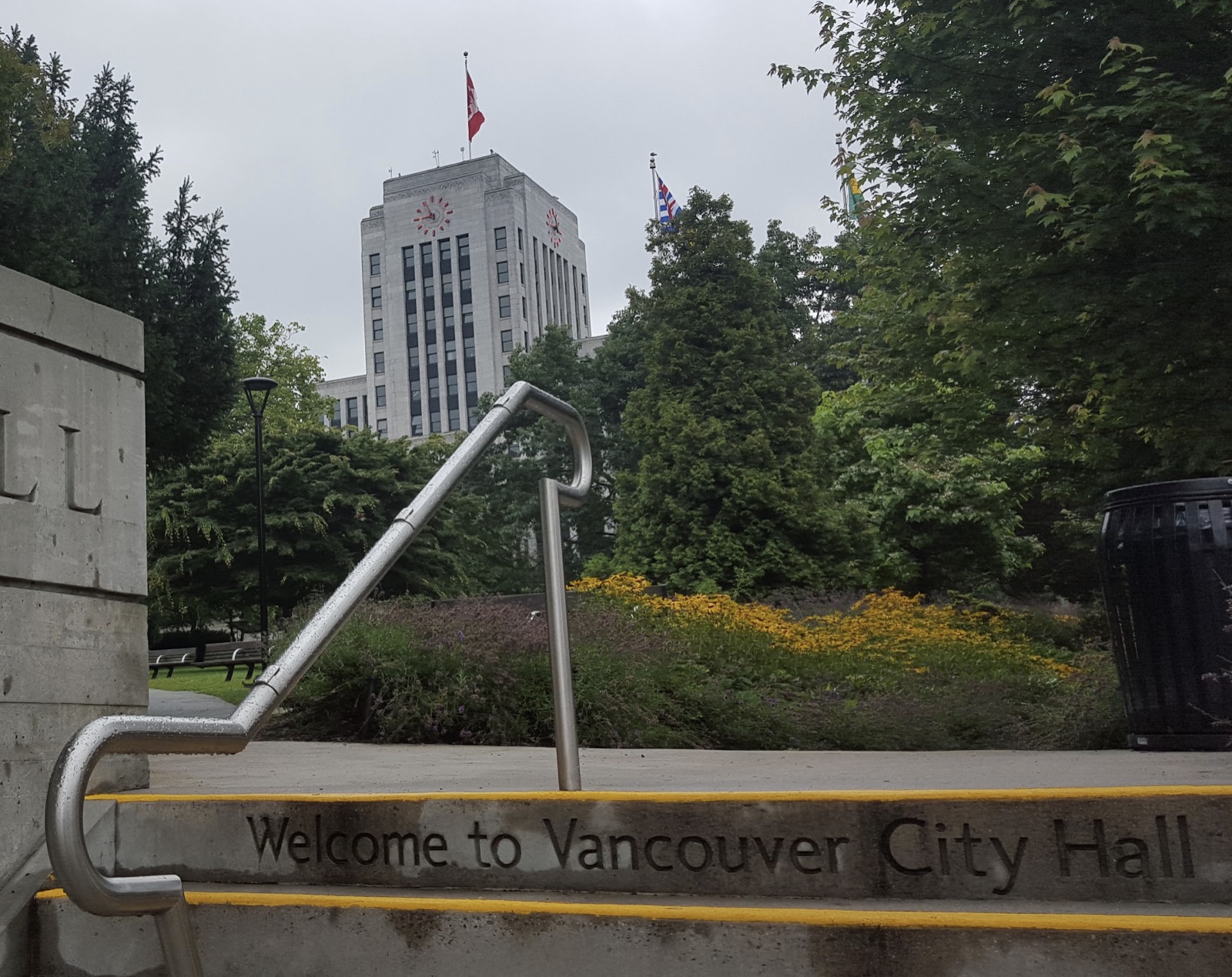
I found it deeply frustrating to see Vancouver’s new City Council cancel the six-month robotic delivery pilot project with California-based Serve Robotics before it even got started.
The cancellation was part of an omnibus motion brought forward by OneCity councillor Lucy Maloney. The motion reversed a batch of the previous Council’s decisions three weeks into the new Council’s mandate. It was widely supported, with only ABC councillor Mike Klassen opposed. Klassen argued that Council owed it to residents, staff and businesses to review each reversal on its own merits.
The pilot had already been approved for development in May 2026, on a motion brought forward by Klassen, with City staff working with Serve on a six-month trial downtown and in Kitsilano. Time and money had presumably been spent preparing for it.
Vancouver sells itself as a STEM-friendly tech hub where new companies and the well-paid jobs they attract will thrive. This kind of flip-flopping sends a terrible message to anyone thinking of doing something innovative here: the City is a fickle partner that changes its mind easily.
My concern goes well beyond delivery robots, into a growing problem I am seeing take hold of Vancouver: political single-issue organizers fomenting hostility to employers bringing desperately needed jobs to Vancouver.
I founded Selkie Tech in Vancouver to bring AI-powered marine safety and analysis tools to market. One of these, Vector Weather, is an AI-augmented tool designed to make boating safer. I’ve been watching the anti-AI sentiment grow while wondering if this is the right place to establish the business. In all honesty, cancelling the Serve Robotics trial isn’t giving me confidence. This decision leaves me concerned about my own business should I ever need municipal approval for something I am working on.
I recognize that it’s a tough political bind for the new city leadership. COPE campaigned hard against AI data centres and AI-driven job losses. The Vancouver Greens campaigned for tighter restrictions on data centres, and the BC Greens called for a moratorium. They created an environment that is hostile to the very focus of employers in Vancouver today.
AI work in Vancouver has become a critical driver of innovation and global competitiveness. It is accelerating drug discovery and enterprise software in the tech sector while transforming visual effects, animation and virtual production across the city’s world-renowned film industry.
“Across B.C., ambitious entrepreneurs are harnessing the power of AI and quantum technologies to turn ideas into market ready solutions,” said Gregor Robertson, the federal minister responsible for Pacific Economic Development Canada, of a sector that Invest Vancouver notes includes more than 180 local firms. He noted they are “sharpening our global competitive edge.”
That momentum extends directly into the city’s creative economy. The Motion Picture Production Industry Association of BC says modern filmmaking “increasingly depends on computer-generated imagery, virtual environments, animation, and advanced post-production techniques, and British Columbia has become a major center for these technologies.”
The robot pilot also touches on the livelihoods of delivery drivers, whose interests COPE has taken up. Sadly, I don’t see COPE being particularly keen to reverse course on this.
But let’s look at the industry for a moment.
Canada’s largest food delivery services are owned by foreign corporations. Uber Eats and DoorDash are American. SkipTheDishes, founded in Canada, now belongs to the international Prosus group.
These companies have built a business model that shifts much of the cost and risk of doing business onto their workers.
Despite the changes BC introduced in 2024, these workers have no legal right to paid holidays, vacation pay or paid sick leave. They aren’t even guaranteed minimum wage for the time they spend waiting for work.
In New York City alone, 26 food delivery workers died in traffic crashes between January 2020 and October 2022.
Surely we can aspire to something better for workers.
Walk down almost any street in Vancouver at any time of day and you’ll see full-sized vehicles making deliveries that could potentially be done by small electric robots, taking up less space and producing fewer emissions.
There will be challenges. There are real concerns about sidewalk access, safety, privacy and jobs. Speakers from the Canadian National Institute for the Blind and Vision Zero Vancouver raised the impact on people with disabilities, and those concerns deserve real answers. There are also potential benefits worth exploring, and a pilot is how we find out.
Vignesh Ram, vice-president of public policy at Serve Robotics, spoke in favour of keeping the pilot. “We’re not asking Vancouver to make a permanent commitment. A pilot allows the city to establish conditions, captures public feedback and evaluates outcomes, creating smart, evidence-based policy,” he said, adding that Serve has already hired local employees. The Council decision will likely cause layoffs.
Serve’s CEO, Ali Kashani, pointed out that rescinding a pilot before it produces any evidence is hard to square with the motion’s own call for evidence-informed practice.
It was a six-month pilot project. We had an opportunity to learn something, and Council wasn’t even willing to keep an open mind for six months.
Those of us building businesses in Vancouver that depend on AI are paying attention.
Technology will continue to change the world around us. I’d quite like Vancouver to play a part in developing that technology, creating jobs here and working out how to put it to good use. I’d like us to build this technology here instead of consuming the technology others created.
I worry about what the City of Vancouver just told employers trying to do precisely that.
Update: An earlier version of this piece described Serve Robotics as a local startup. Serve is an American company, headquartered in Redwood City, California, and listed on the Nasdaq. Its Vancouver ties: CEO Ali Kashani earned his PhD at UBC, and the company opened with an office in Vancouver when it spun out of Uber in 2021.