This is episode one of a multi-piece review of alternative housing concepts for BC and Canadian households – centering eventually on suggesting suggesting liveaboard households among other innovative approaches to housing offers significant advantages in addressing the housing crisis in coastal British Columbia.
Innovative Living Solutions: Adapting to Canada’s Housing Affordability Crisis
In recent years, the skyrocketing cost of housing in Canada has left many individuals and families struggling to secure traditional homes. In response, people are exploring innovative and unconventional living arrangements to adapt to this growing affordability challenge. Tiny homes, van life, liveaboard boats, off-grid homesteading, and co-housing have emerged as viable options, each offering unique advantages and facing distinct challenges. We will look at these alternatives, their potential to address the housing crisis, and their broader impact on society and sustainability.

Tiny Homes: A Big Solution in a Small Package
Tiny homes have become popular for those seeking an affordable, minimalist lifestyle. According to a 2023 survey by Abacus Data, 37% of prospective Canadian homeowners consider tiny or modular homes as a response to housing affordability challenges.
Advantages of Tiny Homes:
- Affordability: Tiny homes typically cost a fraction of traditional houses. Many models range between $30,000 and $150,000, making homeownership accessible to a broader demographic.
- Sustainability: With their smaller footprint, tiny homes consume less energy and require fewer construction resources, aligning with environmentally conscious living.
- Mobility: Tiny homes on wheels allow residents to move their homes as needed, offering flexibility for those who value a nomadic lifestyle.
- Customization: These homes are often tailor-made, enabling owners to create spaces that suit their needs and preferences.
Challenges of Tiny Homes:
- Zoning and Regulations: Many municipalities have zoning laws that limit the location of tiny homes, particularly in urban areas.
- Infrastructure: Tiny home dwellers often face challenges accessing water, electricity, and sewage services.
- Space Constraints: While appealing to minimalists, the limited space can be a drawback for families or those with many possessions.
- Social Perception: Tiny homes may carry a stigma, with some viewing them as less desirable or temporary solutions.
Van Life: Freedom on Four Wheels
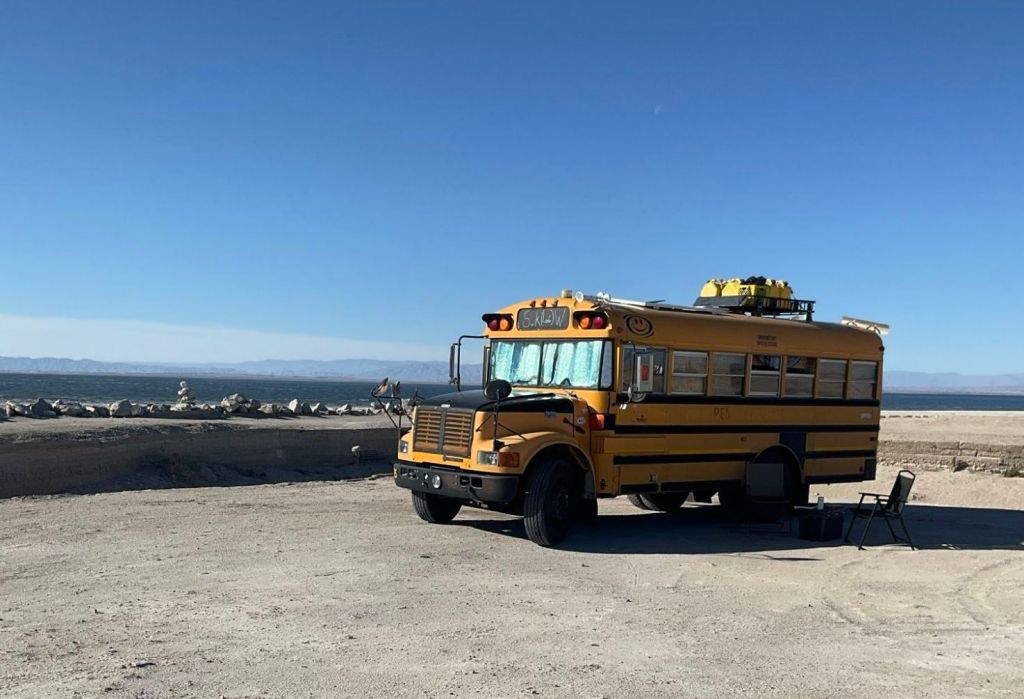
The “van life” movement, popularized by social media, has gained traction among younger Canadians seeking adventure and affordability. A 2021 survey by Réseau de Veille en Tourisme found that 44% of Quebec travellers expressed interest in road trips, including van travel, during the summer.
Advantages of Van Life:
- Flexibility: Vans provide the ultimate freedom to travel and live anywhere, appealing to those who value mobility and exploration.
- Cost Savings: While initial van conversions can be expensive, ongoing costs are typically lower than renting or owning traditional housing.
- Minimalism: The compact space encourages a simpler lifestyle, reducing consumption and promoting mindful living.
- Community: The Van Life movement has fostered a strong, supportive community of like-minded individuals who share tips, stories, and resources.
Challenges of Van Life:
- Legal and Parking Issues: Finding legal overnight parking can be a significant obstacle, especially in urban areas where restrictions are common.
- Limited Space and Comfort: Living in a van means sacrificing space and conveniences such as a full bathroom or kitchen.
- Weather Dependency: Extreme weather conditions can make van life uncomfortable or even unsafe.
- Maintenance and Repairs: Vans require ongoing maintenance, and mechanical issues can disrupt living arrangements.
Liveaboard Boats: A Floating Alternative
For those drawn to waterfront living, liveaboard boats offer a unique way to combat housing costs. Although data on the prevalence of liveaboard lifestyles in Canada is limited, reports suggest it is an emerging trend in cities like Vancouver, where housing prices are among the highest in the country.
Advantages of Liveaboard Boats:
- Affordability: Compared to waterfront real estate, boats can be cost-effective for living on the water.
- Lifestyle Appeal: The serene environment of marina living and the proximity to nature are major draws for many.
- Mobility: Boats offer the flexibility to relocate, albeit to a limited extent, based on personal preferences or seasonal needs.
- Community: Marinas and anchorages often foster close-knit communities, with residents supporting one another in shared living spaces.
Challenges of Liveaboard Boats:
- Limited Marina Spaces: Access to affordable and well-equipped marinas can be competitive, particularly in high-demand areas.
- Disappearing anchorages: Under pressure from residents, some local governments have been encroaching on anchorages to stop liveaboard households from accessing safe harbour there.
- Regulatory Hurdles: Local governments often impose strict regulations on liveaboard arrangements, adding complexity to this lifestyle.
- Weather and Maintenance: Boats are exposed to harsh weather conditions and require regular upkeep, which can be costly and time-consuming.
- Isolation: While some enjoy the solitude of life on the water, others may find it isolating, particularly during off-seasons.
Off-Grid Homesteading: Back to Basics
Off-grid homesteading is another growing trend among those seeking a self-sufficient and sustainable lifestyle. Many Canadians are embracing this alternative housing option by living off the land and generating their own energy.
Advantages of Off-Grid Homesteading:
- Self-Sufficiency: Homesteaders rely on renewable energy sources like solar panels and wind turbines, reducing dependency on traditional utilities.
- Cost Savings: Over time, the reduced reliance on external resources can lead to significant financial savings.
- Sustainability: Off-grid living promotes environmental stewardship by encouraging renewable energy use, water conservation, and sustainable agriculture.
- Health Benefits: The active lifestyle associated with homesteading often leads to better physical and mental health.
Challenges of Off-Grid Homesteading:
- Initial Investment: Setting up an off-grid homestead can require substantial upfront costs for land, renewable energy systems, and infrastructure.
- Isolation: Remote locations can limit access to healthcare, education, and social interaction.
- Skills and Labor: Homesteading demands a wide range of skills and significant manual labour, which can be daunting for beginners.
- Regulatory Issues: Local zoning laws and building codes may restrict certain off-grid practices, complicating the transition.
Co-Housing: Building Community
Co-housing combines private living spaces with shared facilities, such as kitchens, gardens, and recreational areas, fostering a strong sense of community.
Advantages of Co-Housing:
- Affordability: Sharing resources and communal spaces can significantly reduce housing and living costs.
- Community Support: Co-housing fosters collaboration and mutual support among residents, reducing feelings of isolation.
- Sustainability: Sharing resources and facilities minimizes waste and encourages eco-friendly practices.
- Customization: Residents often have a say in the design and management of their communities, ensuring that the arrangement meets their needs.
Challenges of Co-Housing:
- Decision-Making: Reaching consensus on community decisions can be time-consuming and challenging.
- Privacy: Sharing spaces may lead to conflicts and reduce individual privacy.
- Initial Costs: Developing co-housing communities requires significant initial investment and coordination.
- Regulatory Barriers: Zoning laws and building codes may not accommodate co-housing arrangements, adding complexity to the process.
The Role of YouTube in Alternative Housing Adoption
YouTube has played a pivotal role in popularizing these alternative housing options. Content creators document their journeys, offering inspiration, practical advice, and a glimpse into the realities of these lifestyles. Popular YouTubers in this space include:
- Living Big in a Tiny House: This channel showcases a variety of innovative tiny homes and the stories of their owners.
- Eamon & Bec: Canadian van lifers who share their experiences living and travelling in a converted van.
- Sailing La Vagabonde: A couple documenting their life aboard a sailboat, inspiring others to consider liveaboard lifestyles.
- Justin Rhodes: A homesteading YouTuber who shares practical tips and insights on self-sufficient living.
- CoHousing Houston: A channel highlighting co-housing communities and their benefits.
YouTube’s Impact:
- Inspiration: YouTubers inspire viewers to explore alternative housing options by showcasing real-life examples.
- Education: Many creators provide step-by-step guides, helping others navigate the challenges of these lifestyles.
- Community Building: Online communities formed around these channels foster support and collaboration among like-minded individuals.
- Awareness: YouTube amplifies the visibility of alternative housing solutions, encouraging broader acceptance and policy discussions.
Sustainability Considerations
These alternative housing solutions align with the growing interest in sustainability. Tiny homes, van life, liveaboard boats, off-grid homesteading, and co-housing encourage minimalist living, reduce energy consumption, and promote resource efficiency. For example:
- Tiny Homes: Often constructed with eco-friendly materials, tiny homes consume less energy for heating and cooling, significantly reducing carbon footprints.
- Van Life: Many van dwellers adopt solar panels and other off-grid technologies to minimize environmental impact.
- Liveaboard Boats: Advances in marine technology, such as electric propulsion and sustainable waste management systems, support greener living on the water.
- Off-Grid Homesteading: Renewable energy systems and sustainable agricultural practices significantly reduce environmental impact.
- Co-Housing: Sharing resources minimizes waste and promotes eco-friendly practices.
However, sustainability challenges remain. Producing tiny homes and vans can generate waste and emissions, mainly when constructed with non-recyclable materials. Liveaboard boats, if not managed responsibly, can contribute to water pollution, while off-grid homesteading and co-housing require careful planning to minimize environmental impact.
Addressing the Challenges
While these alternative housing options present exciting possibilities, overcoming their associated challenges requires collaborative efforts from governments, communities, and individuals. Here are some potential solutions:
- Policy Reforms: Governments can update zoning laws and building codes to accommodate tiny homes, van life, off-grid homesteading, and co-housing. Streamlining marina regulations can also make liveaboard lifestyles more accessible.
- Infrastructure Development: Investing in off-grid infrastructure, such as communal water and power systems, can support alternative living arrangements.
- Community Support: Advocacy groups and online communities can provide resources, mentorship, and support for those exploring these housing options.
- Innovation: Continued innovation in materials, technology, and design can enhance the sustainability and livability of tiny homes, vans, boats, and co-housing communities.
Conclusion
Canada’s housing crisis has sparked a wave of creativity and resilience among those seeking affordable and sustainable living arrangements. Tiny homes, van life, liveaboard boats, off-grid homesteading, and co-housing each offer unique opportunities for individuals to redefine homeownership and embrace lifestyles that prioritize affordability, flexibility, and environmental consciousness. While these options are not without challenges, they represent a growing movement toward more diverse and sustainable housing solutions, demonstrating the adaptability of Canadians in the face of adversity. As these alternative housing trends continue to evolve, they hold the potential to reshape the housing landscape, fostering innovation and inclusivity in how we live. By addressing the barriers and supporting these solutions, Canada can move closer to ensuring everyone has a place to call home.
References
- Abacus Data. (2025) Over 60% of Canadians Say No Level of Government Is Doing Enough on Housing
- Réseau de Veille en Tourisme. (2022). Quebec travelers’ interest in road trips and vanlife.
- Broadview Magazine (2019). Vancouver liveaboards fight for their way of life
- Living Big in a Tiny House. YouTube channel showcasing tiny homes. Available at: https://www.youtube.com/c/LivingBigInATinyHouse
- Eamon & Bec. YouTube channel documenting Canadian van life. Available at: https://www.youtube.com/c/EamonBec
- Sailing La Vagabonde. YouTube channel documenting life aboard a sailboat. Available at: https://www.youtube.com/c/SailingLaVagabonde
- Justin Rhodes. YouTube channel sharing homesteading tips. Available at: https://www.youtube.com/c/JustinRhodes
- CoHousing Houston. YouTube channel highlighting co-housing communities. Available at: https://www.youtube.com/channel/CoHousingHouston
 Morgane Oger
Leave a comment